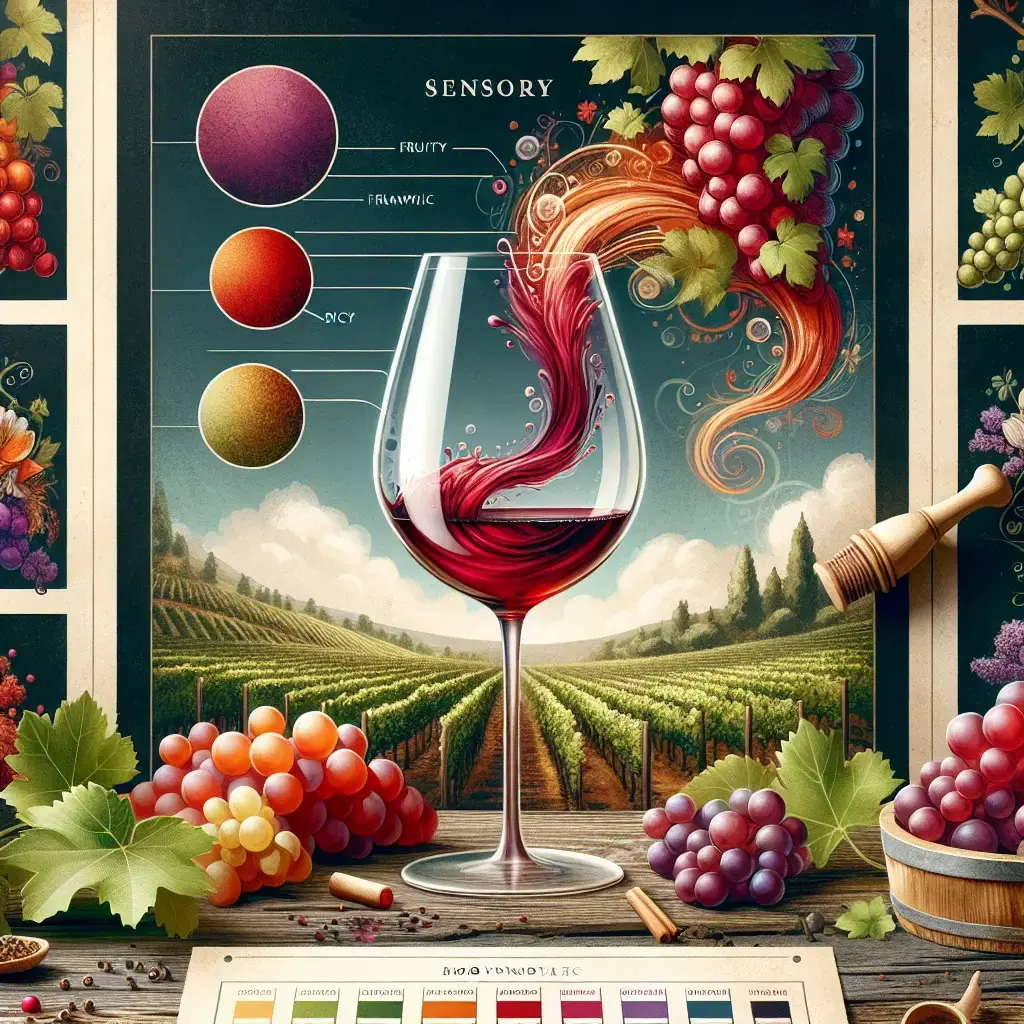
In the ever-evolving world of wine, biodynamic wines have captured the attention of enthusiasts and connoisseurs alike. These wines offer unique flavor profiles that stand out for their complexity and depth. Crafted with an emphasis on sustainable wine production and biodynamic viticulture, this approach results in wines that not only please the palate but also resonate with eco-friendly and ethical production methods.
Understanding Biodynamic Viticulture
Biodynamic viticulture is a holistic approach prioritizing natural wine characteristics by integrating sustainable farming practices. This method, grounded in the principles set forth by Rudolf Steiner in the early 20th century, views vineyards as self-sustaining ecosystems. By fostering biodiversity and using organic preparations, biodynamic farming benefits both the land and the wine it produces. These practices enhance terroir-driven wines by highlighting the intimate relationship between the environment and its produce.
Example of Success: Willamette Valley
One notable biodynamic wine region is Oregon’s Willamette Valley, renowned for its pinot noir. Here, wineries adopt biodynamic practices to produce wines with unique flavor profiles that reflect the region's distinct climate and soil. As highlighted in a guide to the best wine tastings in the Willamette Valley, visitors can experience firsthand how these sustainable methods influence taste and quality.
The Impact of Climate Change on Wine Production
As climate change poses significant challenges to wine production worldwide, biodynamic viticulture offers a sustainable solution. Recent discussions in the industry, such as those found in a detailed examination of climate change’s threat to wine, emphasize adopting environmentally friendly practices to ensure the future of winemaking.
Biodynamic farming, with its focus on ecological balance and soil health, helps mitigate some of the impacts of climate change, such as erratic weather patterns and increased pest pressures. This proactive approach not only protects vineyards but also enhances the organic wine flavors that connoisseurs seek.
The Rise of Natural Wines
Biodynamic wines often intersect with the growing trend of natural wines, celebrated for minimal intervention in both vineyard and cellar. As noted in Curated Wine Collection No. 1: Natural Wines, these wines are typically produced using organic or biodynamic methods, spontaneous fermentation, and without added sulfites. This natural approach amplifies the unique flavor profiles of biodynamic wines, offering a purer expression of their terroir.
Exploring Global Biodynamic Wine Regions
The exploration of biodynamic wine regions across the globe reveals a commitment to quality and sustainability. In South Africa, for instance, Cape Town is emerging as a hub for biodynamic wines. Restaurants like Belthazar, with its terrace overlooking Table Mountain, offer wine lovers an opportunity to savor eco-friendly wines while enjoying stunning views (Decanter’s guide to Cape Town).
Similarly, Auckland's now-closed iconic restaurants, SPQR and Pilkingtons, once featured biodynamic selections that captivated local connoisseurs (NZ Herald on Auckland's restaurant closures). Despite these closures, the demand for sustainable wines remains robust, reflecting a broader global trend towards eco-friendly consumption.
Artisanal Wine Flavors: The Craftsmanship Behind Biodynamic Wines
The artistry of biodynamic winemaking is evident in its artisanal wine flavors. By embracing holistic winemaking techniques, producers create wines that stand out for their complexity and depth. Each step in the process, from the biodynamic vineyard to the glass, contributes to a final product that is as intriguing as it is delicious.
Case Study: France’s Alsace Region
In France's Alsace region, renowned for its white wines, biodynamic vineyards produce exceptional rieslings and gewürztraminers with distinctive flavor profiles. These wines are celebrated for their purity and precision, characteristics enhanced by biodynamic practices that emphasize terroir expression (Alsace Wines: Official Site).
Biodynamic Wine Tasting: A Journey for the Senses
Biodynamic wine tasting invites enthusiasts to explore layers of complexity within these wines. Tasting notes often reveal subtle nuances that are a testament to the care taken during production. From vibrant fruit flavors to earthy undertones, each sip offers a glimpse into the biodiversity of the vineyard.
Wine lovers looking to deepen their understanding of these natural wine characteristics can visit some of the best wine bars in D.C., where flights of biodynamic wines are offered alongside engaging conversations about sustainable winemaking (Explore D.C.’s top wine bars).
Conclusion: Embracing a New Narrative in Wine Culture
As we delve into the world of biodynamic wines, it becomes clear that these beverages are shaping a new narrative in wine culture—one that blends tradition with innovation and sustainability. By embracing biodynamic vineyard practices and exploring their benefits, wine lovers worldwide are discovering a cherished choice that stands out not only for its taste but also for its ethical production.
For those eager to explore further, opportunities abound across various global regions, from Cape Town to Oregon, each offering unique insights into the art of biodynamic winemaking. Whether you're a seasoned connoisseur or new to the world of wine, biodynamic wines offer an enriching journey into flavors that are as sustainable as they are extraordinary.
Conclusion: The Essence of Biodynamic Wines
Biodynamic wines are revolutionizing the world of wine with their unique flavor profiles and commitment to sustainability. Key takeaways from our exploration include:
Sustainable Practices: Biodynamic viticulture, rooted in Rudolf Steiner's principles, treats vineyards as self-sustaining ecosystems, enhancing terroir-driven quality.
Climate Change Mitigation: By prioritizing ecological balance and soil health, biodynamic farming addresses some challenges posed by climate change, securing the future of winemaking.
Natural Wine Trend: The rise of natural wines complements biodynamic methods, offering minimal intervention and amplifying purity through spontaneous fermentation.
Global Impact: From Oregon’s Willamette Valley to South Africa’s Cape Town, biodynamic wines reflect diverse terroirs and sustainable production.
Artisanal Craftsmanship: Regions like France’s Alsace showcase artistry in biodynamic winemaking, producing wines celebrated for purity and complexity.
Biodynamic wines invite us to appreciate a new narrative in wine culture—one that marries tradition with innovation and sustainability. They offer an enriching journey into flavors that delight the palate while upholding ethical production values.
I invite you to share your experiences and insights on biodynamic wines. Have you tasted these unique wines? How do they resonate with your values or enhance your wine-tasting adventures? Let's engage in this evolving conversation about the future of wine.
Author: Clara Mitchell