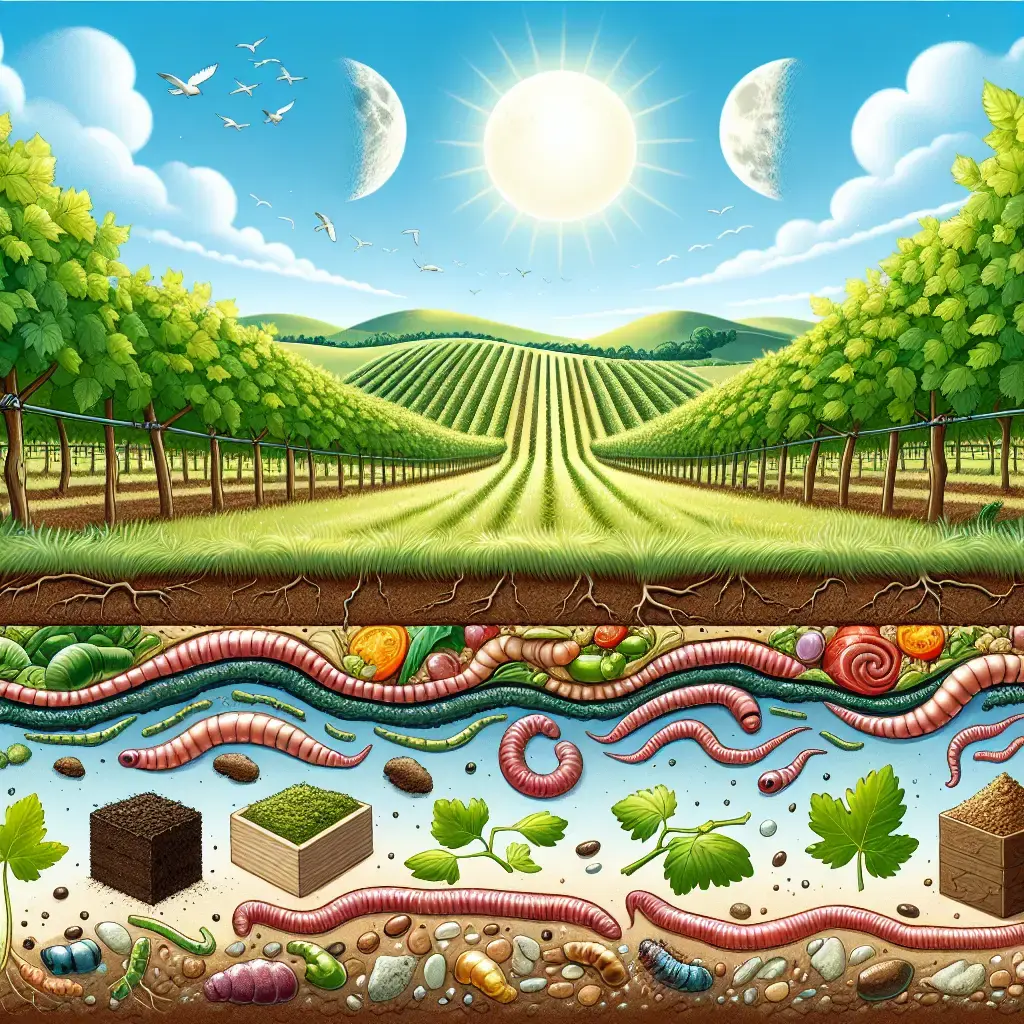
Exploring the Benefits of Biodynamic Practices in Viticulture
In recent years, the wine industry has witnessed a growing interest in biodynamic vineyard practices, a holistic approach that promises not only high-quality wine but also significant soil health benefits. This method is increasingly recognized for fostering vineyard soil improvement and enhancing sustainable viticulture. Grounded in the principles of organic vineyard management, biodynamic farming prioritizes natural soil fertility and vineyard sustainability over conventional methods. By emphasizing soil biodiversity and regenerative agriculture, these practices contribute to a thriving vineyard ecosystem.
Understanding Biodynamic Vineyard Practices
Biodynamic farming is more than just a method; it's a philosophy that treats the vineyard as an interconnected ecosystem. This holistic approach emphasizes organic vineyard management, focusing on natural soil fertility and soil biodiversity. By aligning farming practices with the rhythms of nature, biodynamic methods foster vineyard ecosystem health and sustainability.
Core Components of Biodynamic Farming
- Biodynamic Composting: This involves creating rich, organic compost infused with specific preparations that boost microbial activity and enhance soil vitality.
- Regenerative Agriculture: Practices that restore soil health and biodiversity, ensuring long-term vineyard sustainability.
- Holistic Vineyard Practices: Techniques that consider the vineyard as a whole, promoting natural cycles and ecosystem balance.
Enhancing Soil Biodiversity and Vitality
One of the primary benefits of biodynamic practices is the enhancement of soil biodiversity. Diverse microbial communities within the soil are crucial for breaking down organic matter, cycling nutrients, and supporting plant health. According to recent studies (source needed), vineyards employing biodynamic methods report increased microbial diversity, leading to improved grape quality and resilience against pests and diseases.
Case Study: Willamette Valley
The Willamette Valley, renowned for its high-caliber Pinot Noir, provides an exemplary case of how biodynamic farming can lead to superior wine production. Here, many vineyards have adopted organic and biodynamic practices, resulting in wines that reflect the distinct terroir of the region while maintaining environmental integrity (source needed).
Climate Change and Biodynamic Farming
With climate change posing a significant threat to wine production (source needed), biodynamic farming offers a viable solution. By improving soil health through natural soil fertility and enhancing vineyard resilience, these practices mitigate the adverse effects of extreme weather conditions and changing climates.
Sustainable Viticulture in Action
- Reduced Carbon Footprint: Biodynamic vineyards often use fewer synthetic inputs, reducing carbon emissions associated with conventional farming.
- Water Conservation: Healthier soils retain moisture more effectively, reducing water usage in biodynamic vineyards.
- Carbon Sequestration: Improved soil structure allows for greater carbon storage, helping combat climate change.
Consumer Demand for Sustainable Practices
As consumers become more environmentally conscious, there's a growing demand for wines produced using sustainable practices. The natural wine movement, closely aligned with biodynamic principles, exemplifies this trend (source needed). By prioritizing vineyard sustainability and natural winemaking processes, biodynamic vineyards meet consumer expectations while setting new standards for the wine industry.
Natural Wine and Market Trends
- Increased Popularity: The rise of natural wines has brought attention to biodynamic practices as consumers seek authenticity and environmental responsibility in their wine choices.
- Market Opportunities: Vineyards adopting these practices are well-positioned to capitalize on emerging market trends favoring sustainability (source needed).
Conclusion: Embracing Biodynamic Practices for a Sustainable Future
Biodynamic vineyard practices present a transformative approach to viticulture by integrating sustainable methods that significantly enhance soil health and overall vineyard resilience. Key takeaways from this discussion include:
- Soil Biodiversity Enhancement: Biodynamic practices foster diverse microbial communities, improving soil vitality and grape quality.
- Climate Change Mitigation: By promoting natural soil fertility and ecosystem balance, these methods help vineyards withstand climate change challenges.
- Consumer-Driven Market Shifts: As consumer demand for sustainable products grows, vineyards employing biodynamic practices gain a competitive edge by aligning with market trends.
Biodynamic farming is more than just a response to environmental challenges; it is an opportunity to redefine the future of winemaking. By adopting these holistic practices, winemakers not only contribute to the sustainability of viticulture but also meet the evolving expectations of environmentally conscious consumers.
The journey towards embracing biodynamic principles invites winemakers to reflect on their practices and explore how they can innovate within their vineyards. How will you incorporate these principles into your vineyard operations? What steps can you take today to align your practices with the rhythms of nature and consumer demands?
By sharing your experiences and insights, you contribute to a broader conversation about sustainable viticulture and inspire others in the industry to pursue similar paths. Let's continue this dialogue and explore the potential of biodynamic practices together.
Thank you for joining me on this exploration of biodynamic vineyard practices. I invite you to share your thoughts and experiences in the comments below. Together, we can cultivate a sustainable future for the wine industry.
Author: Clara Mitchell