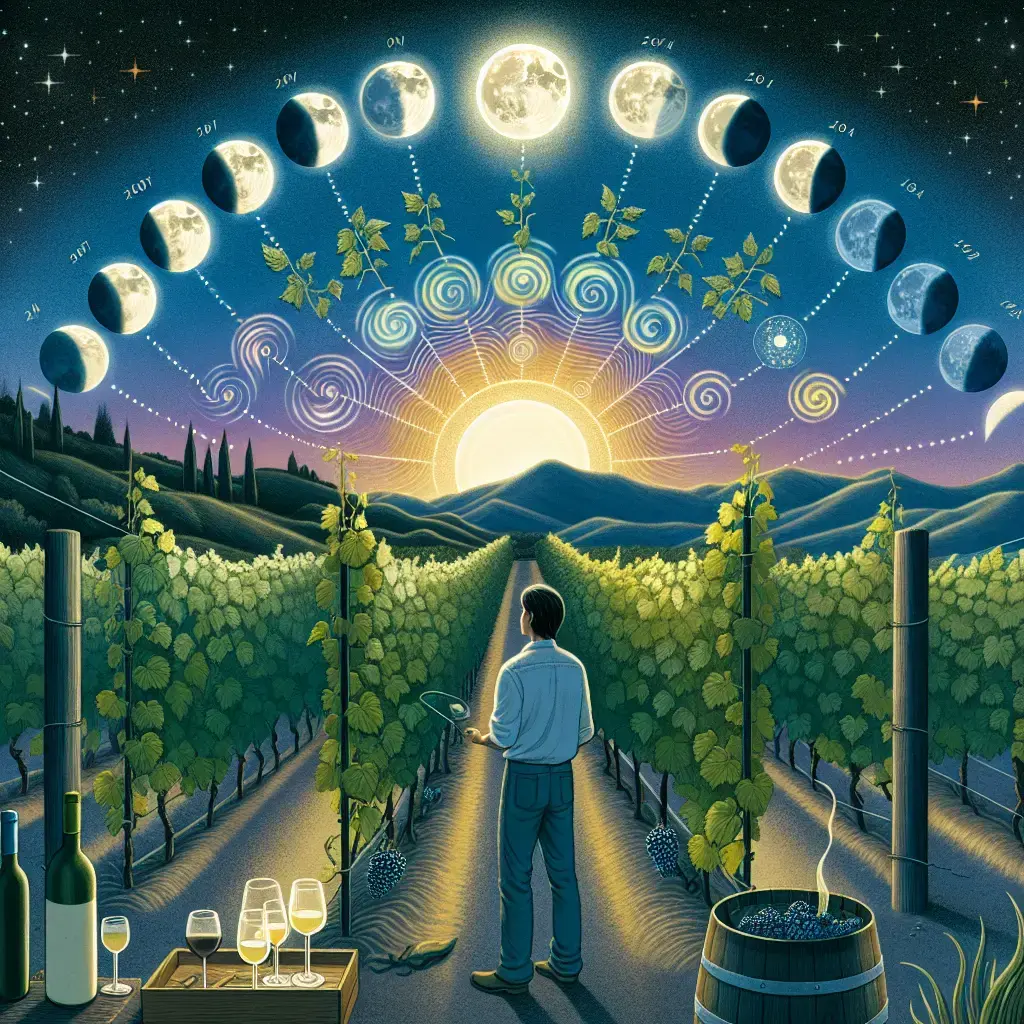
Exploring the intricate relationship between lunar cycles and biodynamic wine production unveils a fascinating dimension of viticulture that blends ancient wisdom with modern sustainability practices. At the heart of biodynamic viticulture lies the belief in the moon’s profound influence on wine growing, where moon phases guide crucial farming activities. This approach, rooted in biodynamic farming and agriculture, emphasizes using a lunar calendar to optimize grape growing and enhance wine quality.
Biodynamic vineyards thrive on holistic wine production, aiming for synergy between nature and agriculture. By embracing lunar rhythms, these vineyards aspire to cultivate organic wine that reflects the unique terroir and lunar influences. Sustainable viticulture is not just a trend but a commitment to preserving the environment, ensuring future generations can continue to enjoy the fruits of nature's labor.
Understanding the Influence of Moon Phases on Wine Growing
The moon's phases have long been believed to affect agricultural productivity, but how exactly do they influence wine growing? In biodynamic viticulture, the lunar calendar is a crucial tool. By observing the moon's phases, viticulturists can determine the best times for key activities such as planting, pruning, and harvesting. This practice aligns with the principles of biodynamic farming, which emphasize working in harmony with nature.
For instance, many biodynamic farmers adhere to the belief that the new moon is ideal for planting, as the gravitational pull encourages strong root growth. Conversely, the full moon is seen as a time for harvesting because it is thought to enhance flavor and wine quality. These practices are not just rooted in tradition but are also supported by a growing body of evidence suggesting that lunar rhythms can influence plant metabolism and vitality (source).
Case Study: Curated Wine Collection No. 1 - Natural Wines
The recent trend toward "natural wines" highlights the importance of biodynamic vineyards in today's market. These wines typically use grapes from organic or biodynamic sources, emphasizing minimal intervention during winemaking. The Curated Wine Collection No. 1 showcases these principles by featuring wines from vineyards that employ lunar farming methods. This collection underscores the symbiotic relationship between biodynamic agriculture and the burgeoning natural wine movement (source).
Embracing Sustainability Through Biodynamic Practices
Sustainable viticulture is more than just a buzzword; it represents a commitment to environmental stewardship. Biodynamic practices contribute significantly to this goal by promoting soil health, biodiversity, and ecological balance. These methods not only enhance grape growing but also ensure the long-term viability of vineyards.
A prime example is SingleThread in Healdsburg, which combines farm-to-table cuisine with a biodynamic approach to winemaking. By aligning their operations with the lunar calendar and prioritizing organic methods, SingleThread exemplifies how biodynamic principles can foster a deeper connection between food, wine, and nature (source).
Exploring the Moon Influence on Wine Flavors
The notion that the moon's influence can be tasted in wine is both romantic and scientifically intriguing. Recent studies suggest that lunar cycles might affect not only grape growth but also the chemical composition of wines, impacting their flavors and aromas. For instance, wines harvested during certain moon phases may exhibit unique characteristics that reflect these celestial influences.
As consumers become more adventurous in their choices, they are drawn to stories of how lunar rhythms shape wine quality. This narrative is particularly compelling in regions producing lesser-known varieties, such as underrated Italian white wines, which are gaining attention for their unique profiles and sustainable practices (source).
Biodynamic Certification: A Seal of Quality and Commitment
For many wine enthusiasts, biodynamic certification provides assurance of quality and integrity. This certification signifies that a vineyard adheres to stringent standards of biodynamic practices, including using a lunar calendar. It also reflects a commitment to producing organic wine that respects both nature and tradition.
This is particularly significant in light of major events such as the upcoming 2024 Paris Olympics, where biodynamic wines will likely feature prominently in celebrations and social gatherings (source). The global stage offers an opportunity to showcase the benefits of biodynamic viticulture to an international audience.
The Intersection of Tradition and Innovation in Biodynamic Vineyards
At the heart of biodynamic wine production lies a delicate balance between time-honored traditions and cutting-edge innovation. As we delve deeper into this world, we discover a landscape where historical practices are revitalized through modern understanding.
Consider the ongoing transformation within biodynamic vineyards: while they maintain traditional techniques like moon-guided planting, they also embrace new technologies to optimize grape growing. For example, vineyards may use data analytics to track lunar influences or implement sustainable energy solutions like solar power to reduce their carbon footprint.
Conclusion: Embracing the Celestial Dance in Winemaking
As we reflect on the intricate relationship between lunar cycles and biodynamic wine production, it becomes evident that this ancient practice holds significant promise for the future of viticulture. Here are the key insights:
- Lunar Influence: The moon's phases guide critical viticultural practices, from planting to harvesting, enhancing both grape vitality and wine quality.
- Natural and Sustainable: Biodynamic methods align with the growing demand for natural wines, emphasizing minimal intervention and ecological harmony.
- Certification and Quality: Biodynamic certification ensures adherence to strict standards, offering a guarantee of quality and environmental commitment.
- Tradition Meets Innovation: The fusion of historical practices with modern technologies enriches biodynamic vineyards, allowing them to thrive sustainably.
This holistic approach encourages us to not only savor exquisite wines but also appreciate the sustainable practices that make them possible. As you enjoy your next glass of wine, consider how the dance between earth and moon contributes to its unique flavors and aromas.
In sharing this journey, we invite you to ponder how embracing nature's rhythms might deepen your connection with the world around you. Could this awareness inspire new perspectives on sustainability in your own life? We would love to hear your thoughts and experiences regarding biodynamic wines and their celestial influences.
Raise a glass to the enduring magic of the moon—a testament to the beautiful intersection of tradition and innovation in biodynamic viticulture.
Author: Clara Mitchell