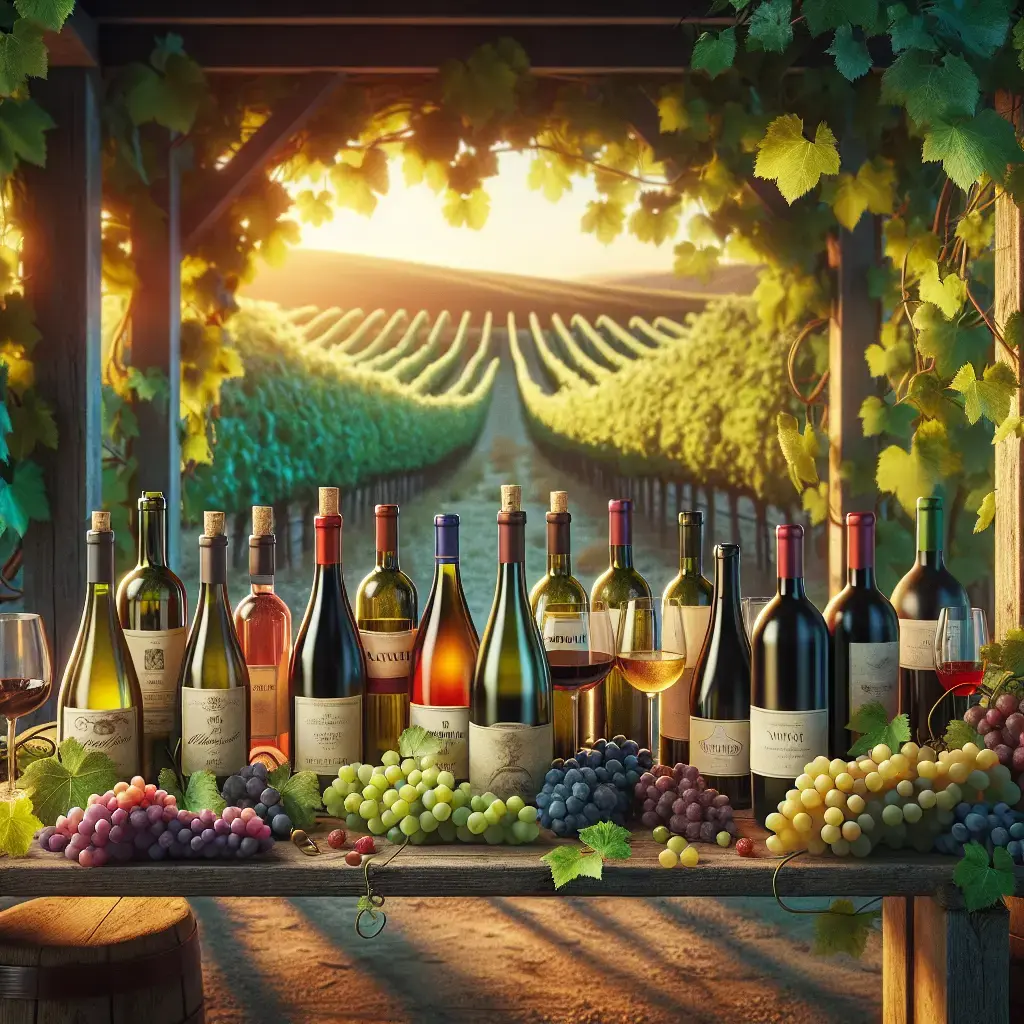
Exploring the World of Biodynamic Wine: Nature's Artistry in a Bottle
In the ever-evolving realm of viticulture, the term "natural" is making waves, marking a significant trend within the wine industry. While the designation lacks an official labeling system as of now, "natural" typically refers to winemaking that embraces organic and biodynamic practices, alongside methods like hand-harvesting and spontaneous fermentation.
Understanding Biodynamic Wine
Biodynamic wine is at the heart of this natural wine movement. It represents a holistic approach to agriculture and winemaking that views the vineyard as a self-sustaining ecosystem. This philosophy is deeply rooted in the principles outlined by Rudolf Steiner in the early 20th century, which emphasize the balance and interconnectivity of natural elements.
Key Features of Biodynamic Winemaking:
Organic Farming: Biodynamic vineyards strictly avoid synthetic chemicals, instead relying on organic composts and natural preparations to nurture the soil.
Astrological Influence: The biodynamic calendar plays a crucial role, with planting and harvesting often aligned with lunar cycles to enhance the vitality of the vines.
Ecosystem Integration: Vineyards incorporate diverse plant species and wildlife to promote a balanced ecosystem, reducing the need for external inputs.
Hand-Harvesting: Grapes are meticulously picked by hand to ensure the highest quality and minimal impact on the environment.
Spontaneous Fermentation: Instead of using commercial yeasts, natural wild yeasts from the vineyard environment are allowed to initiate fermentation, contributing to unique flavor profiles.
The Benefits of Choosing Biodynamic Wine
Environmental Sustainability: By enhancing soil health and biodiversity, biodynamic practices support long-term ecological balance.
Purity of Flavor: The minimal intervention in biodynamic winemaking allows the true character and terroir of the grape to shine through, offering wine enthusiasts a more authentic taste experience.
Health Consciousness: With no chemical additives or pesticides, biodynamic wines are a preferable choice for those seeking natural products.
Cultural Heritage: By embracing ancient agricultural wisdom, biodynamic winemaking honors traditional methods while innovatively adapting them for modern sustainability.
As consumers grow increasingly conscious of environmental impact and authenticity in their purchases, biodynamic wines offer an appealing blend of tradition, innovation, and ecological responsibility. For those looking to explore this fascinating world further, curated collections like the one featured in this article can serve as an excellent starting point.
In conclusion, biodynamic wine represents more than just a beverage; it's a testament to nature's artistry and mankind's dedication to preserving our planet's health. So next time you pour a glass, consider the journey from vine to bottle—one that intertwines with the rhythms of the earth.
May your next sip be as thoughtful as it is delightful!
Author: Clara Mitchell